THE RECOVERY REPORT

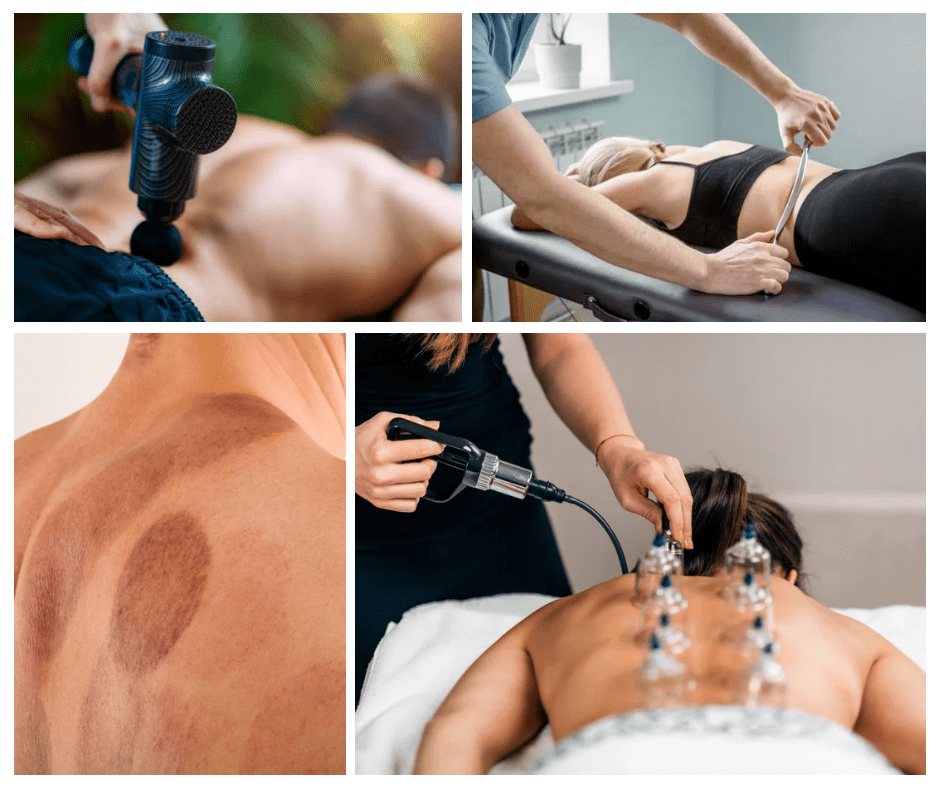
In the age of social media, rehabilitation and soft tissue therapy are surrounded by trends: flashy tools, dramatic before-and-after videos, and quick-fix promises. From aggressive scraping to deep cupping, “90-second fixes,” fascia guns, miracle taping and the latest influencer-backed gadgets—there’s no shortage of techniques being marketed as the next big thing.
Clinical reasoning and evidence-based decision-making
In clinical practice, these trends can become dangerous when they replace something far more important:
Clinical Reasoning and evidence-based decision-making.
At Tay Sports Therapy, our approach is built on evidence-based practice, because your body, your performance, and your recovery deserve more.
What Is Clinical Reasoning?
Clinical reasoning is the process a therapist uses to decide:
• What’s wrong? (hypothesis)
• Why is it happening? (mechanisms)
• What structure(s) are involved?
• What treatment is appropriate – and why?
• How will we monitor whether it’s working?
It’s deliberate.
It’s analytical.
And it changes based on you, not based on the therapist’s favourite tool.
Good clinical reasoning means the therapist can always answer:
“Why this technique, for this person, right now?”
If the answer is “because it’s popular” that’s not reasoning – it’s guesswork.
What Is Evidence-Based Practice?
Evidence-based practice brings together three key pillars:
1. Best available research evidence
– What does the science say?
– Are the mechanisms realistic?
– Does high-quality research support this treatment?
2. Clinical expertise
– Can the therapist accurately assess, reason, and adapt?
– Do they understand pathology, anatomy, load, and adaptation?
3. Patient values and preferences
– What does the client feel comfortable with?
– What fits their goals, lifestyle, and recovery expectations?
When these three overlap, treatment is:
safe, personalised, and effective.
The Problem With Trend-Based Modalities
Trend-driven techniques are often:
• Oversimplified (“your glutes are switched off”)
• Overhyped (“this breaks down fascia and fixes posture instantly”)
• Undersupported by research
• Copied without understanding
• Applied to conditions they were never meant for
• Used as quick fixes rather than part of a rehabilitation plan
They can give a false sense of security, making someone feel like they’re receiving skilled care when the underlying issue isn’t being addressed.
The Dangers of Trend-Based Treatments

Treating the Wrong Structure
If the therapist doesn’t understand the condition, they treat whatever tissue is easiest to reach, not the tissue generating the problem.
This could lead to worsening symptoms and missed red flags.
Unnecessary Pain or Bruising
Aggressive cupping, scraping or deep pressure can sensitise tissues instead of helping them.
Increasing pain is not a sign of an effective treatment.
Delayed Recovery
Time spent on ineffective trends could be spent on:
• Strength
• Load progression
• Mobility
• Education
• Behaviour change
– all of which have strong evidence bases.
Creates Dependence on the Therapist
Trend treatments often create the belief that you need a tool or technique applied to you to get better.
Real evidence-based practice empowers you, not the therapist.
Erodes Trust in the Profession
When people are repeatedly exposed to ineffective or painful treatments, they lose trust in therapy altogether.
This hurts clients and clinic reputations.
What Evidence-Based Practice Looks Like at Tay Sports Therapy

At Tay Sports Therapy, we prioritise:
✔ Thorough assessment
✔ Clear clinical reasoning
✔ Understanding the mechanism of injury
✔ Treatment that matches the pathology
✔ Education so you understand why something is happening
✔ Active strategies proven by research
✔ Manual therapy that is purposeful—not random
✔ Avoiding techniques that are harmful or poorly supported
We don’t chase trends.
We follow evidence.
And we adapt every treatment plan to the individual in front of us.
So Why Does This Matter to You?
Because you deserve treatment that works.
Evidence-based practice means:
• Faster recovery
• Less risk
• Clear explanations
• Better long-term outcomes
• No unnecessary bruising, pain, or gimmicks
• A therapist who is accountable
You are too important for guesswork.
Contact Us:
Trend based tools may get clicks, but they don’t replace the fundamentals: assessment, reasoning, evidence, and individualised care.
Visit www.taysportstherapy.co.uk, select the Book Now button below or follow @taysportstherapy for more tips from The Recovery Report.
Expert Care For Your Recovery, Performance And Wellbeing
 Tay Sports Therapy
Leave a comment