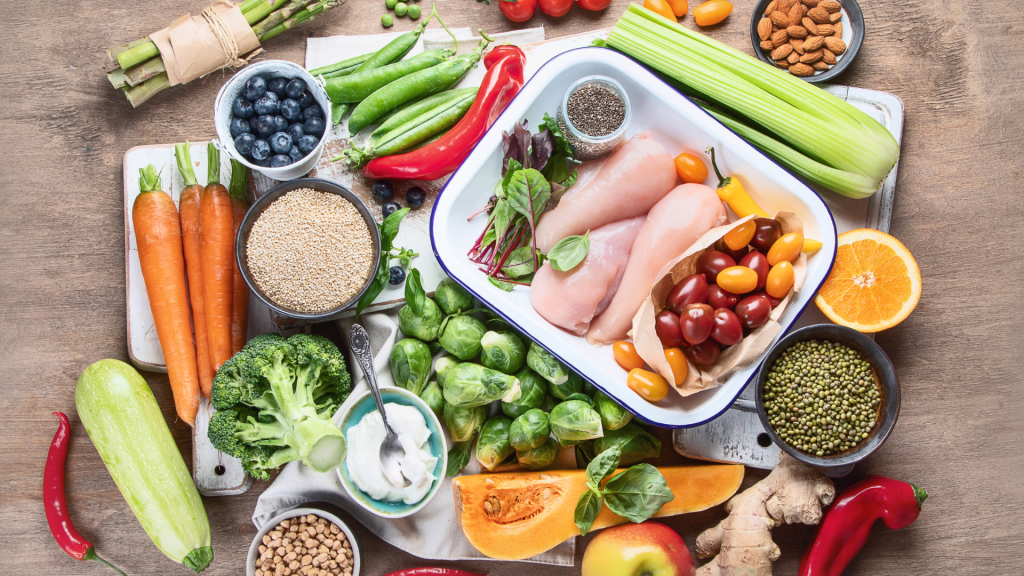
Nutrition plays an essential role in a runner’s performance, recovery, and overall health. A well-balanced diet can help optimise energy levels, enhance endurance, and support recovery after training sessions. Here’s an overview of key nutritional considerations for runners:
Carbohydrates
Carbohydrates are the primary source of energy for runners. They help fuel both short and long runs. Focus on:
– Complex Carbohydrates: Foods like whole grains (brown rice, quinoa, oats), fruits, vegetables, and legumes provide sustained energy.
– Simple Carbohydrates: These can be beneficial before and during runs for quick energy. Foods like bananas, energy gels, or sports drinks can be useful during longer runs.
Proteins
Protein is essential for muscle repair and recovery. Aim to include:
– Lean Proteins: Sources such as chicken, turkey, fish, eggs, dairy, beans, and legumes help repair muscle tissues after workouts.
– Protein Timing: Consuming protein after a run (within 30-60 minutes) can aid in recovery. A balanced post-workout snack could include a protein shake or yogurt with fruit.
Fats
Healthy fats are important for overall health and can provide a source of energy, especially during longer runs. Include:
– Sources of Healthy Fats: Avocados, nuts, seeds, olive oil, and fatty fish (like salmon) can help support a well-balanced diet.
Hydration
Staying hydrated is essential for optimal performance and recovery. Consider the following:
– Pre-run Hydration: Drink water throughout the day and ensure you are well-hydrated before your runs.
– During Runs: For runs longer than an hour, consider sports drinks or electrolyte-replenishing beverages to replace lost fluids and electrolytes.
– Post-run Recovery: Rehydrate with water, and consider adding electrolytes if you’ve had a particularly sweaty workout.
Micronutrients
Vitamins and minerals support overall health and can be crucial for recovery and performance:
– Iron: Important for energy levels, especially for female runners. Sources include red meat, beans, lentils, spinach, and fortified cereals.
– Calcium and Vitamin D: Essential for bone health. Include dairy products, leafy greens, and fortified foods in your diet.
– Antioxidants: Foods rich in antioxidants (berries, nuts, green leafy vegetables) can help reduce inflammation and support recovery.
Meal Timing
Proper meal timing can enhance performance and recovery:
– Pre-run Meals: Focus on easily digestible carbohydrates 1-3 hours before a run. Options could include oatmeal, toast with peanut butter, or a banana.
– Post-run Meals: Aim for a balanced meal with carbohydrates and protein within 30-60 minutes post-exercise to replenish glycogen stores and aid muscle recovery.
Snacking
Healthy snacks can help maintain energy levels throughout the day:
– Nutritious Snack Options: Consider trail mix, yogurt with fruit, nut butter on whole-grain crackers, or smoothies with fruits and vegetables.
Nutrition is a vital component of a runner’s training regimen. By focusing on a balanced diet rich in carbohydrates, proteins, healthy fats, and essential vitamins and minerals, runners can optimise their performance, enhance recovery, and maintain overall health.
If you would like any advice or help tailoring nutrition to your individual needs and training goals, contact Angela:



Leave a comment