THE RECOVERY REPORT

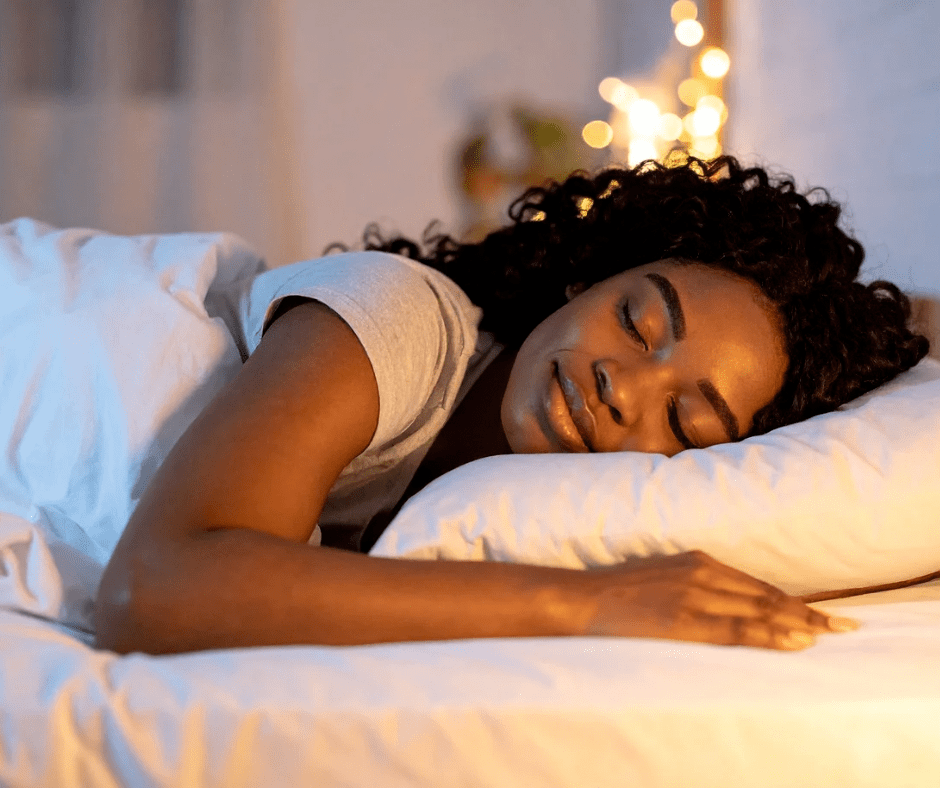
Ask most athletes about recovery, and you’ll hear about stretching, massage, or nutrition. But one of the most powerful recovery tools doesn’t cost a thing — sleep. Despite its simplicity, sleep plays a vital role in muscle repair, hormonal balance, and performance adaptation.
The Science of Sleep and Recovery
Sleep drives the body’s natural recovery systems. During deep sleep, growth hormone levels peak, facilitating tissue repair and muscle protein synthesis (Kolling et al., 2019). REM sleep supports cognitive recovery, including memory consolidation and motor learning — crucial for skill development in both runners and functional fitness athletes (Watson, 2017).
Research has shown that even moderate sleep restriction (less than 7 hours) impairs glycogen restoration, reduces reaction time, and increases perceived exertion (Fullagar et al., 2015). Over time, this can elevate cortisol levels and slow adaptation to training loads.
Practical Strategies
- Aim for 7–9 hours per night of consistent, quality sleep.
- Maintain a pre-sleep routine: reduce screen time, limit caffeine after midday, and dim lighting in the evening.
- Athletes training heavily may benefit from short daytime naps (20–30 minutes) to support recovery (Mah et al., 2018).
- Keep your bedroom cool, dark, and quiet to enhance sleep quality.
How We Apply This at Tay Sports Therapy
At Tay Sports Therapy, we emphasise that recovery extends far beyond the treatment room. We help clients create practical sleep and recovery routines that complement their manual therapy, strength work, and training plans. Improved sleep equals improved adaptation — and fewer injuries.
Recovery and Performance
Sleep isn’t a luxury — it’s the foundation of recovery. Prioritising rest will amplify every other part of your performance strategy.
Need help optimising your recovery strategy?
Get in touch with Tay Sports Therapy — we’ll build a plan that integrates hands-on treatment with performance-focused recovery tailored to you.
Visit www.taysportstherapy.co.uk or follow @taysportstherapy for more tips from The Recovery Report.
References
Fullagar, H. H. K. et al. (2015) ‘Sleep and athletic performance’, Sports Medicine, 45(2), pp. 161–186.
Kolling, S. et al. (2019) ‘Sleep in sports: A review on sleep physiology and performance’, European Journal of Sport Science, 19(1), pp. 1–14.
Mah, C. D. et al. (2018) ‘Napping and performance in athletes’, Physiology & Behavior, 186, pp. 66–72.
Watson, A. M. (2017) ‘Sleep and athletic performance’, Current Sports Medicine Reports, 16(6), pp. 413–418.
Expert Care For Your Recovery, Performance And Wellbeing
 Tay Sports Therapy
Leave a comment