
THE RECOVERY REPORT
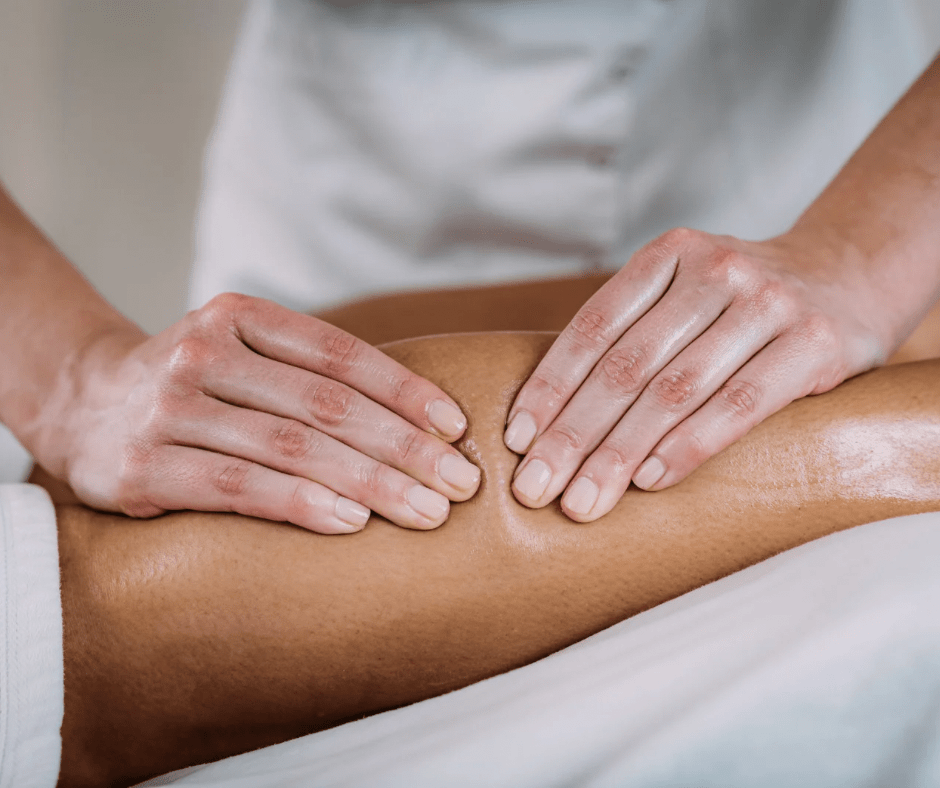
If you’re training hard, chasing performance goals, or rebuilding after an injury, you’ll know that recovery work is just as important as your next session. But how much difference does soft-tissue therapy really make?
A recent study published in Applied Sciences (Sobolewski et al., 2024) took a closer look at three common recovery tools — static stretching, foam rolling and percussion massage — in recreationally active men and women. The researchers wanted to see if these popular interventions made measurable changes in muscle structure or strength performance.
What They Found
- None of the methods (stretching, foam rolling, or percussion massage) produced significant changes in muscle ultrasound characteristics such as cross-sectional area, fascicle length, or muscle thickness.
- There were no improvements in isometric strength output immediately after the interventions. Male and female participants responded similarly — so sex did not influence the results.
- In short: while these techniques feel beneficial, the study found no measurable short-term change in muscle mechanical or neuromuscular output.
What This Means for Your Recovery
This doesn’t mean soft-tissue therapy isn’t effective — it simply highlights how and why to use it.
Range of Motion & Comfort:
Soft-tissue work (sports massage, foam rolling, etc.) can still help improve flexibility and reduce that sense of tightness, with plenty of evidence to support these outcomes.
Performance Expectations:
If you’re looking for an instant increase in maximal strength or power from these methods alone, the science suggests that’s unlikely.
Holistic Recovery:
Soft-tissue therapy should sit within a broader recovery strategy — incorporating smart training load management, strength and conditioning, good nutrition, adequate sleep, and mental recovery.
Targeted Use:
Think of these interventions as tools for comfort, tissue quality, and readiness, not standalone performance boosters.
How We Apply This at Tay Sports Therapy
At Tay Sports Therapy, our soft-tissue treatments — from sports massage to myofascial release and trigger point work — are always used as part of your complete recovery plan.
- We view these techniques as supportive tools, not quick fixes.
- Each session is individualised to your training load, injury history, and goals.
- For performance-driven clients (runners, ultra-endurance athletes, functional fitness enthusiasts), we integrate soft-tissue therapy alongside your strength and conditioning, mobility, and recovery protocols.
Recovery and Performance
Soft-tissue therapy remains a valuable part of recovery — especially for reducing discomfort, improving mobility, and supporting tissue health. But the evidence reminds us that it’s one piece of the recovery puzzle, not the whole picture.
Next time you’re on the table or rolling out after a tough session, know that what you’re doing is helping your body feel and function better — just remember, the magic happens when it’s combined with smart training and recovery habits.
Need help optimising your recovery strategy?
Get in touch with Tay Sports Therapy — we’ll build a plan that integrates hands-on treatment with performance-focused recovery tailored to you.
Visit www.taysportstherapy.co.uk or follow @taysportstherapy for more tips from The Recovery Report.
Expert Care For Your Recovery, Performance And Wellbeing
 Tay Sports Therapy
Leave a comment