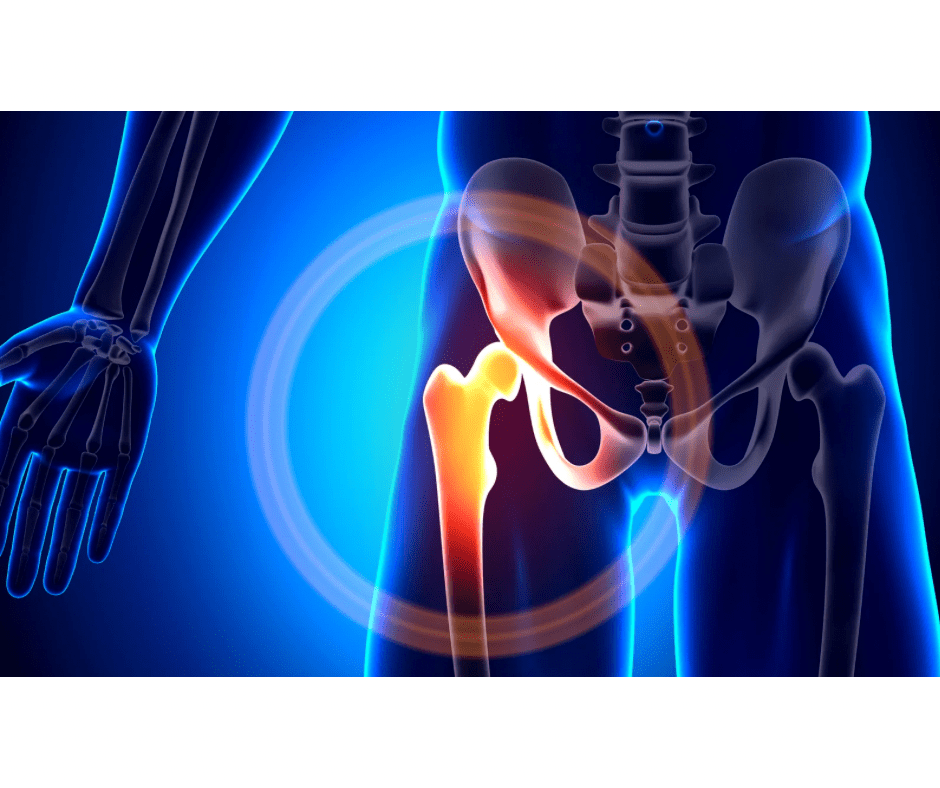
Hip pain can affect athletes, runners, and active individuals, as well as those with sedentary lifestyles. It can be caused by injuries, overuse, muscle imbalances, or underlying medical conditions. Understanding the root cause is key to effective treatment and recovery.
Muscle Strains and Tendon Injuries
• Overuse or sudden movements can strain the hip flexors, glutes, or hamstrings.
• Hip tendinopathy (especially affecting the gluteal tendons) can lead to persistent pain, particularly on the outer hip.
Hip Bursitis
• Inflammation of the trochanteric bursa (fluid-filled sac near the hip joint) causes pain on the outer hip.
• Often results from repetitive movement, prolonged pressure, or muscle imbalances.
Hip Impingement (FAI – Femoroacetabular Impingement)
• A condition where bony overgrowths (bone spurs) develop around the hip joint, restricting movement and causing pain.
• Can be found in athletes who engage in repetitive hip flexion (e.g., runners, footballers, dancers).
Osteoarthritis
• Degenerative joint condition that leads to cartilage breakdown, stiffness, and pain.
• More common in older adults but can affect younger individuals with a history of joint stress or injury.
Sciatica and Nerve Compression
• Irritation or compression of the sciatic nerve (often due to a tight piriformis muscle) can cause hip pain that radiates down the leg.
• Symptoms include numbness, tingling, and weakness.
Hip Labral Tear
• Damage to the labrum, the cartilage that cushions the hip socket, can lead to pain, clicking, and instability.
• Often caused by repetitive movement, trauma, or structural abnormalities.
Hip Stress Fractures
• Often found in runners and endurance athletes, stress fractures occur from repetitive impact and insufficient recovery.
• Symptoms include deep hip pain that worsens with activity.
Poor Biomechanics & Muscle Imbalances
• Weak glutes, core, or hip stabilizers can place excess strain on the hip joint.
• Overstriding or incorrect running mechanics can contribute to hip pain over time.
What Can You Do?
✔️ Strength training to improve hip stability and mobility.
✔️ Sports massage and stretching to release tight muscles.
✔️ Gait and movement analysis to correct biomechanical issues.
✔️ Acupuncture or physiotherapy for pain relief and recovery.
At Tay Sports Therapy, we assess the root cause of your hip pain and create a treatment plan tailored to your needs. If you’re struggling with hip pain, get in touch today to book an assessment!
 Tay Sports Therapy
Leave a comment