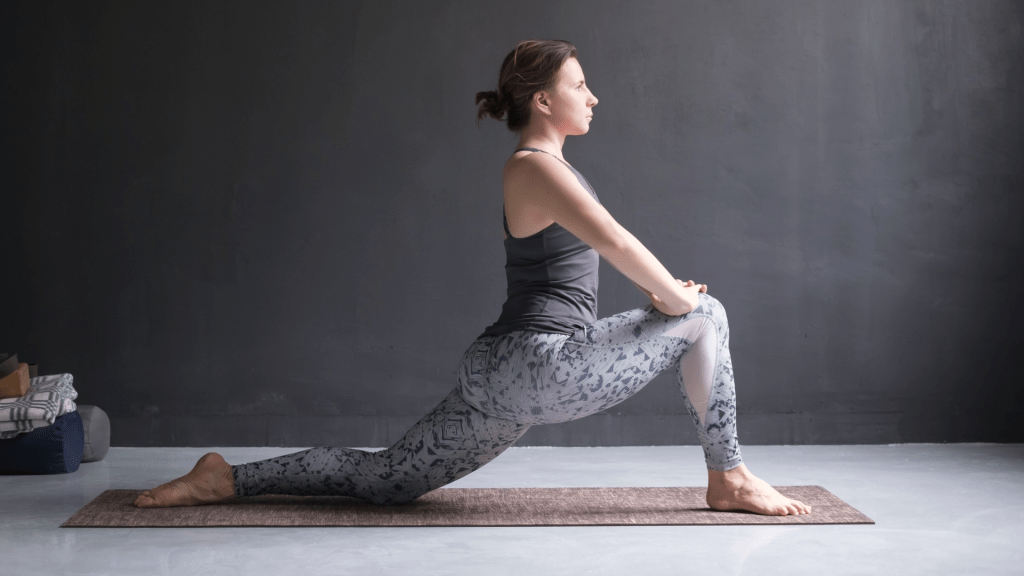
The hip flexors are a group of muscles located in the front of the hip and pelvis that play a crucial role in movement and posture. Whether you’re running, walking, sitting, or standing, your hip flexors are constantly at work. Understanding their function and how to keep them healthy is essential for anyone looking to improve mobility, prevent injury, or enhance athletic performance.
What Are the Hip Flexors?
The hip flexors are a group of muscles responsible for flexing the hip joint, which means bringing the thigh closer to the torso. The primary muscles in this group include:
Iliopsoas: Composed of two muscles, the iliacus and psoas major, this is the most powerful hip flexor and plays a major role in lifting the leg.
Rectus Femoris: One of the quadriceps muscles, it helps flex the hip and extend the knee.
Sartorius: The longest muscle in the body, running from the pelvis to the knee, it assists with hip flexion and external rotation.
Tensor Fasciae Latae (TFL): Works with the iliotibial band to assist in flexing and stabilizing the hip.
Adductors: While primarily involved in moving the leg inward, some adductor muscles assist with hip flexion.
Why Are Hip Flexors Important?
The hip flexors are essential for almost every lower body movement. Here are a few key roles they play:
• Walking and Running: The iliopsoas and rectus femoris lift the leg during the swing phase of walking or running.
• Posture and Stability: They help maintain an upright posture, especially when sitting or standing.
• Athletic Performance: Strong, flexible hip flexors are vital for explosive movements like sprinting, jumping, and kicking.
• Core and Pelvic Alignment: They work with the abdominal and lower back muscles to stabilize the pelvis and spine.
Common Hip Flexor Problems
Given their constant use, hip flexors are prone to tightness, weakness, and injury. Common issues include:
Tightness: Prolonged sitting shortens the hip flexors, leading to stiffness and reduced range of motion.
Weakness: If underused, the hip flexors can weaken, increasing the risk of injury and poor movement patterns.
Strains: Overuse or sudden movements (like sprinting or kicking) can lead to strains, causing pain and limiting mobility.
Imbalances: Tight hip flexors can cause anterior pelvic tilt, leading to lower back pain and hamstring strain.
How to Keep Your Hip Flexors Healthy
Stretching:
• Lunge Stretch: Step one foot forward into a lunge position, keeping the back leg straight. Push your hips forward and hold for 20-30 seconds per side.
• Pigeon Pose: From a plank position, bring one knee forward and place it behind your hands, keeping the back leg extended.
Strengthening:
• Leg Raises: Lie on your back or side and lift one leg while keeping it straight.
• Mountain Climbers: Engage the core and alternately drive each knee toward your chest from a plank position.
• Resistance Band Marches: Attach a resistance band around your ankles and simulate a marching motion.
Mobility Exercises:
• Hip Circles: Stand on one leg and swing the opposite leg in a controlled circular motion.
• Dynamic Lunges: Add arm twists or side bends to lunge movements for added mobility.
Posture Awareness:
• Avoid prolonged sitting and incorporate standing breaks or ergonomic adjustments to your workspace.
• Engage your core and glutes to counteract tight hip flexors when standing or walking.
When to Seek Help
If you experience persistent pain, tightness, or limited range of motion in your hips, get in touch with Angela at Tay Sports Therapy who can assess your condition and provide a tailored treatment plan.
Your hip flexors are small but mighty muscles that deserve attention. By maintaining their strength and flexibility, you can improve your posture, prevent injuries, and enhance your overall mobility. Whether you’re an athlete or simply someone who spends long hours sitting, dedicating time to your hip flexors is an investment in your physical health and performance.
Stay strong, stay mobile, and keep moving!

 Tay Sports Therapy
Leave a comment