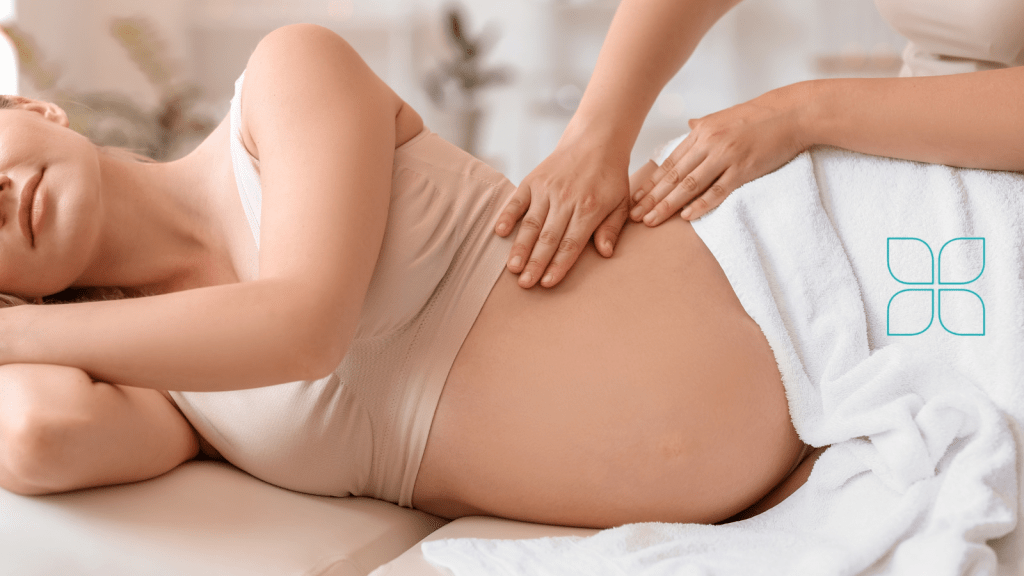
Pregnancy massage, also known as prenatal massage, is a form of therapeutic massage that is specifically tailored to the needs of pregnant women. It is a safe and effective way to alleviate discomfort, reduce stress, and promote overall well-being during pregnancy. Here are some key points to know about pregnancy massage:
- Benefits: Pregnancy massage offers numerous benefits for expectant mothers. It can help to:
- Relieve muscle tension and discomfort: As the body undergoes physical changes during pregnancy, it can lead to muscle tension, aches, and pains. Massage can help alleviate these discomforts and promote relaxation.
- Reduce swelling and edema: Many pregnant women experience swelling in their legs and ankles due to fluid retention. Massage techniques can help improve circulation and reduce swelling.
- Improve sleep quality: Pregnancy can often disrupt sleep patterns. Massage promotes relaxation and can help improve the quality of sleep.
- Reduce anxiety and stress: Pregnancy can bring about various emotional and hormonal changes. Massage therapy can help reduce anxiety, stress, and promote a sense of well-being.
- Enhance mood: The release of endorphins during a massage can contribute to an improved mood and a sense of overall happiness.
- Safety: It is crucial to seek a qualified and certified prenatal massage therapist who is trained in working with pregnant women. They will have the knowledge and experience to provide safe and effective massage techniques during pregnancy. It is also important to communicate openly with the therapist about any specific concerns or discomforts you may have.
- Positioning and techniques: Prenatal massage is typically performed with the pregnant woman lying on her side or using specially designed pregnancy cushions that provide support for the growing belly and ensure comfort. The massage therapist will use gentle and specific techniques that are appropriate for pregnancy, focusing on areas of tension and discomfort.
- Timing: Pregnancy massage can be enjoyed throughout the entire pregnancy, but it is advisable to consult with your midwife or obstetric consultant if within the 1st trimester.
- Self-care: In addition to receiving professional pregnancy massage, there are also self-care techniques you can practice at home to promote relaxation and alleviate discomfort. These may include using a pregnancy support pillow for better sleep, taking warm baths, practicing deep breathing exercises, and engaging in gentle stretching.
Remember, always consult with your midwife before starting any new therapies or treatments during pregnancy.
 Tay Sports Therapy
Leave a comment